

Effective Technical Writing for Embedded Engineers
July 31, 2026
4 min
Embedded engineering remains a highly sought-after specialization in today’s technology-driven world, with opportunities spanning automotive, consumer electronics, industrial automation, and IoT sectors. However, navigating the job market as an embedded engineer requires more than just technical proficiency—it demands strategic career planning, continuous learning, and effective communication of your value to potential employers.
The embedded systems field evolves rapidly, with new microcontrollers, development tools, and methodologies emerging regularly. Successful embedded engineers prioritize mastering the fundamentals while staying adaptable to new technologies. Focus on developing deep expertise in:
Consider obtaining certifications that validate your expertise, such as ARM Accredited Engineer programs or vendor-specific certifications from microcontroller manufacturers. These credentials can differentiate you in competitive job markets and demonstrate commitment to professional growth.
Employers value candidates who can demonstrate practical, hands-on experience beyond academic knowledge. Build a portfolio that highlights:
When describing your experience, use the STAR method (Situation, Task, Action, Result) to quantify your achievements. For example: “Optimized SPI communication throughput by 40% through DMA implementation, reducing CPU utilization in a data acquisition system.”
Embedded systems interviews typically assess both theoretical knowledge and practical problem-solving abilities. Prepare for:
Practice explaining complex technical concepts clearly and concisely—communication skills are often as important as technical expertise in embedded roles where you’ll collaborate with hardware engineers, software developers, and product managers.
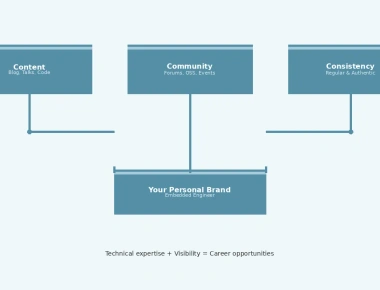
The embedded engineering community is relatively tight-knit, making networking particularly valuable. Engage with:
Consider finding a mentor who can provide guidance on career progression, skill development, and navigating industry transitions. Many experienced embedded engineers are willing to share insights with those entering the field.
Stay informed about emerging trends shaping the embedded landscape:
Regularly assess how these trends align with your interests and career goals, then allocate time to develop relevant skills through online courses, workshops, or side projects.
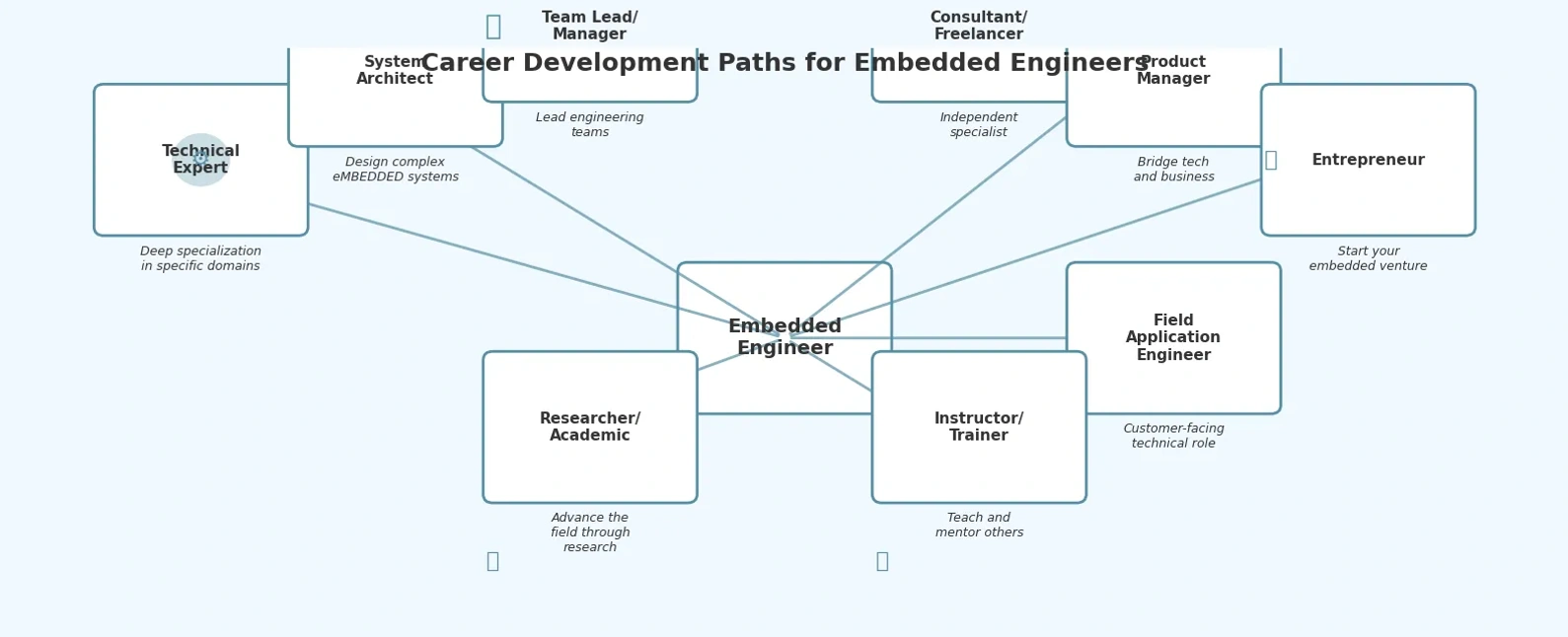
A successful embedded engineering career combines technical excellence with strategic career management. By building a strong foundation, showcasing practical experience, mastering interview techniques, networking effectively, and staying adaptable to industry trends, you can position yourself for long-term success in this dynamic field. Remember that career development is an ongoing process—invest in continuous learning, seek feedback regularly, and remain open to new opportunities that align with your evolving interests and aspirations.
Quick Links
Legal Stuff